
Locating Water Leaks at Home: How to Find and Fix Water Leaks at Home
- Good Bros Plumbing

- Jun 6
- 4 min read
Water leaks can be sneaky little troublemakers. They hide behind walls, under floors, and sometimes right under your nose. But ignoring them? That’s a recipe for higher bills, water damage, and a whole lot of stress. Don’t worry - I’m here to walk you through how to find and fix water leaks at home with simple steps you can tackle yourself. Ready? Let’s dive in!
Why Locating Water Leaks at Home Matters
Before we get our hands wet, let’s talk about why finding leaks early is so important. A small drip might seem harmless, but over time, it can waste hundreds of gallons of water. That’s money down the drain and potential damage to your home’s structure.
Leaks can cause:
Mold and mildew growth
Damage to walls, ceilings, and floors
Increased water bills
Reduced water pressure
By locating water leaks at home early, you save money, protect your property, and keep your plumbing system in tip-top shape. Plus, it’s a great way to avoid emergency calls to the plumber.
How to Start Locating Water Leaks at Home
Finding a leak might sound like detective work, but it’s easier than you think. Here’s a step-by-step guide to get you started:
1. Check Your Water Meter
Your water meter is your best friend when it comes to spotting leaks. Here’s what to do:
Turn off all water fixtures in your home (faucets, appliances, sprinklers).
Locate your water meter (usually outside or in a basement).
Note the meter reading and wait 15-30 minutes without using any water.
Check the meter again. If the numbers have changed, you likely have a leak.
2. Inspect Visible Pipes and Fixtures
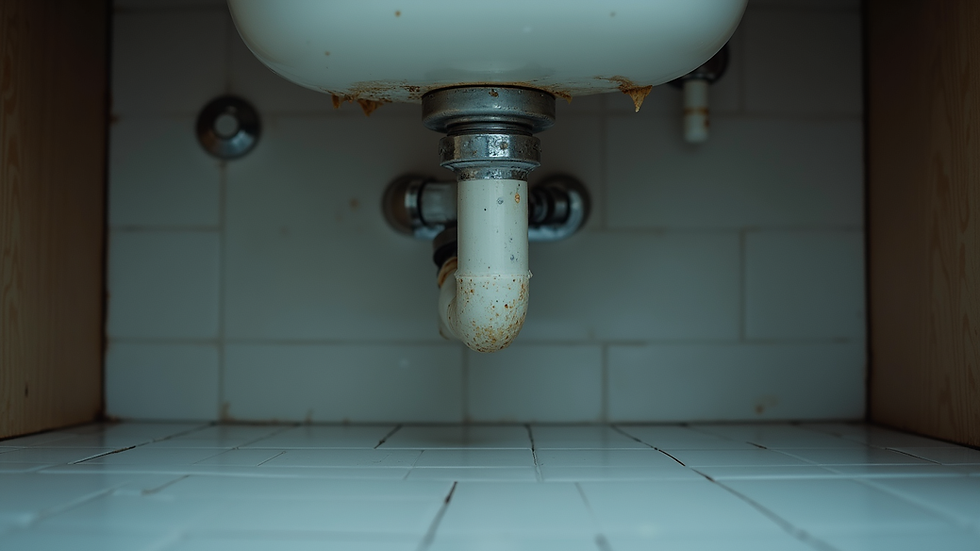
Look under sinks, around toilets, and near water heaters. Signs of leaks include:
Water stains or puddles
Corrosion or rust on pipes
Dripping sounds
Musty odors
3. Use Food Coloring in Toilet Tanks
Toilets are a common leak culprit. Drop a few drops of food coloring into the toilet tank and wait 15 minutes without flushing. If the color seeps into the bowl, you’ve got a leak.
4. Listen for Running Water
Sometimes leaks are silent, but other times you can hear water running when everything is off. Walk through your home and listen carefully near pipes and appliances.
5. Check Your Water Bill
A sudden spike in your water bill can be a red flag. Compare your current bill to previous months to spot unusual increases.
If you want a detailed guide on how to find a water leak in your house, this link has some great tips to help you out.
What is the Most Common Source of a Water Leak in a Person's House?
You might be wondering where leaks usually pop up. Here are the usual suspects:
Toilets: Flapper valves wear out, causing constant water flow.
Faucets: Worn washers or seals lead to drips.
Water heaters: Corrosion or loose connections cause leaks.
Pipes: Old or damaged pipes can crack or burst.
Appliances: Dishwashers and washing machines sometimes leak at connections.
Toilets top the list because they have moving parts and constant water exposure. Fixing a leaking toilet flapper is often a quick and inexpensive repair that saves gallons of water daily.
How to Fix Common Water Leaks at Home
Now that you’ve found the leak, it’s time to fix it. Here are some easy fixes for common leaks:
Fixing a Leaky Faucet
Turn off the water supply under the sink.
Remove the faucet handle using a screwdriver.
Replace worn washers or O-rings.
Reassemble and turn the water back on.
Repairing a Running Toilet
Remove the tank lid.
Check the flapper valve at the bottom of the tank.
Replace the flapper if it’s cracked or worn.
Adjust the float arm to stop water from overflowing.
Sealing a Leaky Pipe
Turn off the main water supply.
Dry the pipe and clean the area around the leak.
Use pipe repair tape or a pipe clamp as a temporary fix.
For permanent repairs, replace the damaged pipe section or call a professional.
Fixing Appliance Leaks
Check hoses and connections for cracks or loose fittings.
Tighten or replace hoses as needed.
Clean filters and drains regularly.
If you’re not comfortable with plumbing repairs, it’s always smart to call a trusted professional. Quick fixes can prevent bigger problems down the road.
Tips to Prevent Future Water Leaks
Prevention is better than cure, right? Here are some tips to keep your plumbing leak-free:
Regularly inspect pipes and fixtures.
Replace old or worn parts promptly.
Don’t ignore small drips or puddles.
Insulate pipes to prevent freezing in cold weather.
Avoid using harsh chemicals that can damage pipes.
Schedule annual plumbing check-ups.
By staying proactive, you’ll save money and avoid the headache of unexpected leaks.
When to Call in the Pros
Sometimes, leaks are tricky or hidden deep inside walls or underground. If you notice:
Water stains on walls or ceilings
Persistent damp smells
Sudden drops in water pressure
Large puddles or flooding
It’s time to call a professional plumber. They have the tools and expertise to locate and fix leaks quickly and safely.
Remember, a trusted local plumber is your best ally in keeping your home dry and damage-free.
Finding and fixing water leaks at home doesn’t have to be a nightmare. With a little know-how and some elbow grease, you can tackle most leaks yourself. And when you need help, don’t hesitate to reach out to experts who care about your home as much as you do. Here’s to a leak-free, worry-free home!


Comments